
Okay—real talk: browser extension wallets used to feel like a gamble. One moment you’re approving a token swap, the next you’re double-checking every approval popup because something felt off. I’ve spent a lot of time poking around extensions, testing UX quirks, and squinting at permissions. What I want from a wallet is simple: speed, sensible defaults, and security that doesn’t make me feel like I’m performing a ritual. Rabby Wallet aims for that balance, and it largely delivers.
Rabby isn’t the loudest name in DeFi, but it’s quietly practical. It focuses on making common tasks easier—handling token approvals more intelligently, letting you manage accounts cleanly, and keeping the UI uncluttered. If you’re tired of wallet UI gymnastics, Rabby Wallet might be worth a look. For a direct download or to try it yourself, check out rabby wallet.
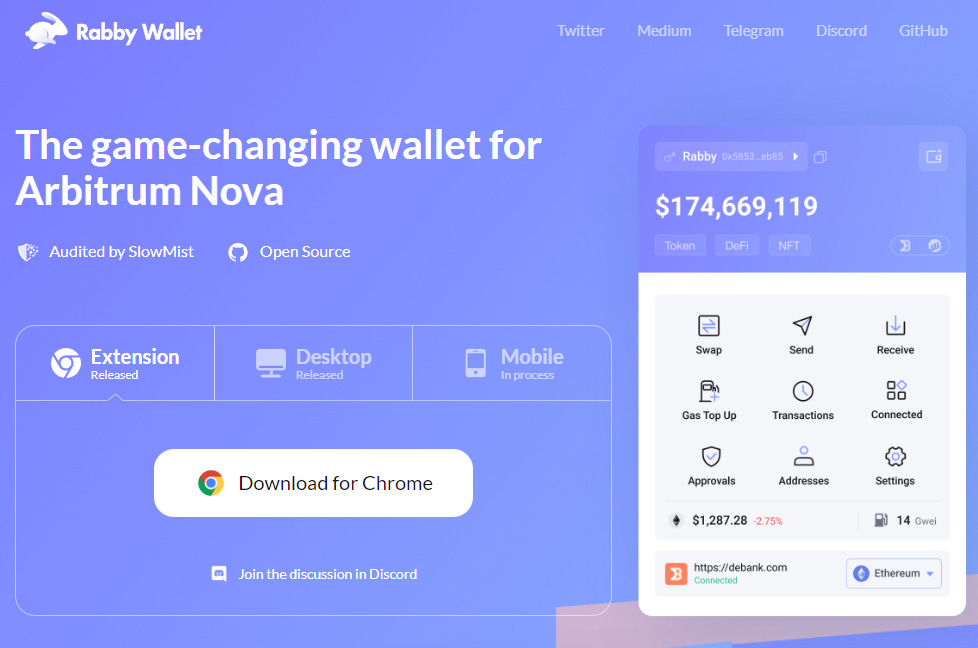
What sets Rabby Wallet apart
There are a few features that genuinely change day-to-day usability. First: approval management. Instead of blindly granting infinite approval to contracts (which, yes, people still do), Rabby gives clear controls and shows allowances in ways that don’t require a PhD in blockchain. This is a big deal. It reduces accidental exposure and prompts you to think about permissions.
Another practical win is its multi-account handling and network switching. It’s not just slapped-on functionality; you can keep accounts segmented (e.g., one for trading, one for staking), which helps mental accounting and risk containment. Also, the extension is responsive—transactions and confirmations don’t feel like wading through molasses.
Finally, Rabby has a developer-friendly bend. They expose enough info in the UI that power users can make informed choices without digging into explorers for every little thing. That said, it’s still approachable for beginners.
Security: sensible defaults, but do your part
I’ll be honest—no browser extension is a silver bullet. Extensions live where the browser lives, and browsers have their own attack surface. Still, Rabby makes smart choices: clearer approval prompts, visible token allowance trackers, and options to revoke allowances. That reduces the chance you’ll leave a massive approval sitting around forever.
On the other hand, always pair any extension wallet with good habits. Use hardware wallets for large sums. Keep seed phrases offline. Avoid approving contracts unless you’re confident in the source. And yeah—double-check contract addresses. It sounds basic, but scams get you because they exploit inattention.
One caveat: Rabby is fairly new relative to veterans like MetaMask, so its security history is shorter. Newer doesn’t mean unsafe, but it does mean fewer years of community vetting. If you value maturity and a long track record above all else, weigh that in.
Day-to-day features I actually use
Here are the practical things that make Rabby sticky for me. Short list first:
- Fine-grained approval controls—no more infinite approvals by default.
- Clear transaction breakdowns—gas, slippage warnings, and contract info, visible up front.
- Bulk revoke tools—handy when you’ve used a bunch of dApps and want to tidy up.
- Multiple account management that’s not clunky.
Those four features shave friction off routine tasks. For example, when I test a new DEX, I don’t want to manually revoke permissions later—the revoke tool saves a lot of hassle. And when you can see at a glance which contracts hold approvals, it changes decision-making from reactive to proactive.
Installation and setup pointers
Installing it is straightforward. Add the extension, import or create a wallet, and you’re mostly done. A couple of practical tips:
- Use a fresh browser profile for your high-risk interactions. It keeps extensions isolated.
- Write your seed phrase down on paper and store it somewhere safe; screenshots and cloud notes are risky.
- Connect a hardware wallet if you plan to hold significant funds—Rabby supports that workflow.
Also, customize transaction confirmation settings to match your comfort level. Some people like ultra-fast transactions with aggressive gas settings; others prefer conservative defaults. Rabby lets you dial that in without hunting through menus.
Who should consider Rabby Wallet?
If you regularly interact with multiple dApps, trade tokens, or test new contracts, Rabby is designed for you. It’s a good middle ground between beginner-friendly wallets and power-user tools. That said, if your only priority is brand-name ubiquity or you prefer a wallet with a decade-long track record, you might stick with the incumbents. I’m biased toward practical UX improvements, though—so Rabby gets my attention.
FAQ
Is Rabby Wallet safe to use?
Rabby follows sensible security practices and offers features that reduce accidental exposure, but no extension is perfectly safe. Pair it with good habits: hardware wallets for larger amounts, offline seed storage, and cautious approval behavior.
Can I import my MetaMask account into Rabby?
Yes. You can import existing seed phrases or connect hardware wallets. Importing via seed phrase is convenient but be careful—only do so in a secure environment.
Does Rabby support multiple networks?
Yes, it supports common EVM-compatible networks and lets you switch networks relatively easily. If you use niche chains, double-check compatibility before moving funds.
Alright—here’s the wrap without getting preachy: Rabby Wallet isn’t a miracle cure, but it addresses friction that actually matters. It nudges users toward safer behavior with UI choices rather than scary warnings, and that subtle nudge matters. If you’re curious, give the extension a spin—download it at the link above—and decide for yourself. Your instinct will tell you if it feels solid; then let the details confirm it.